Technology

Whatever Happened to Senolytics?
Senolytics were once expected to clear the “zombie cells” of aging. A decade of human trials has produced intriguing biological signals, major…

Your Organs Don’t Age at the Same Rate. Scientists Just Mapped 40 of Them
An AI analysis of more than 25,000 human tissue samples found that organs follow distinct structural aging trajectories, challenging the idea of…

FGF21 Gene Therapy Extended Lifespan and Healthspan in Aged Mice
A one-time FGF21 gene therapy increased median lifespan by 20.54% in aged male mice and improved several measures of metabolic, organ and…

Temple Buys a Longevity Clinic as It Builds the Science Behind Its Health Wearable
Temple has acquired London longevity practice Longevous while building a health wearable. The deal adds clinical expertise, but the company’s scientific claims…

Scientists Implanted Self-Contracting Muscle in Old Mice. The Effects Reached the Rest of the Body
Engineered muscle grafts contracted continuously in mice and influenced metabolism, immunity and tissue repair. The findings are promising animal research, not a…

Sam Altman-Backed Retro Biosciences Moves Deeper Into Human Testing
Sam Altman-backed Retro Biosciences is advancing RTR242 through a Phase 1 trial in healthy volunteers. Here is what the trial can show,…
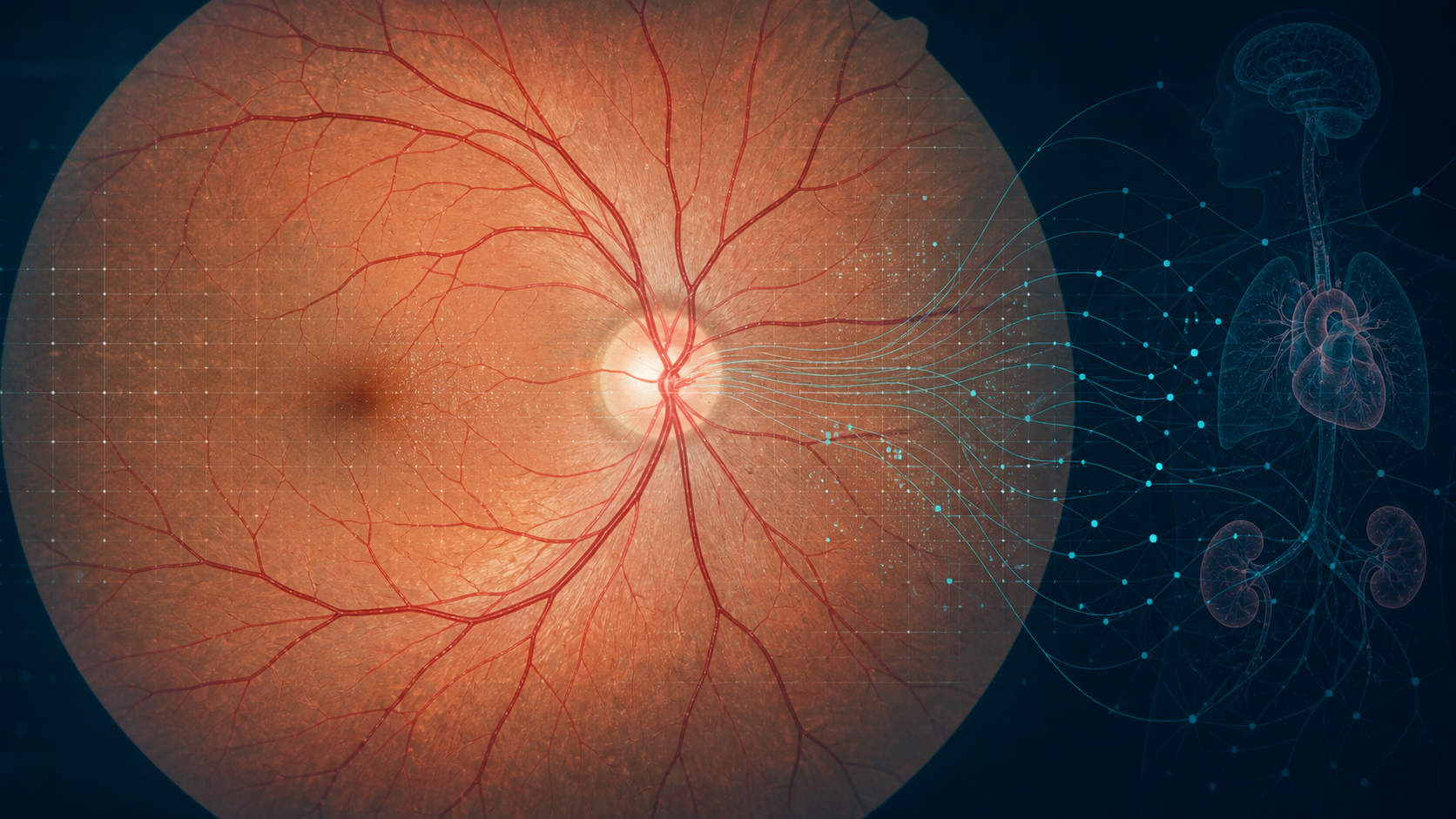
Your Eyes May Reveal How Fast You’re Aging: AI Finds a Retinal Signal in 71,000 People
AI estimated age from retinal photographs in 71,343 people. An older retinal signal tracked several health risks, but it is not a…
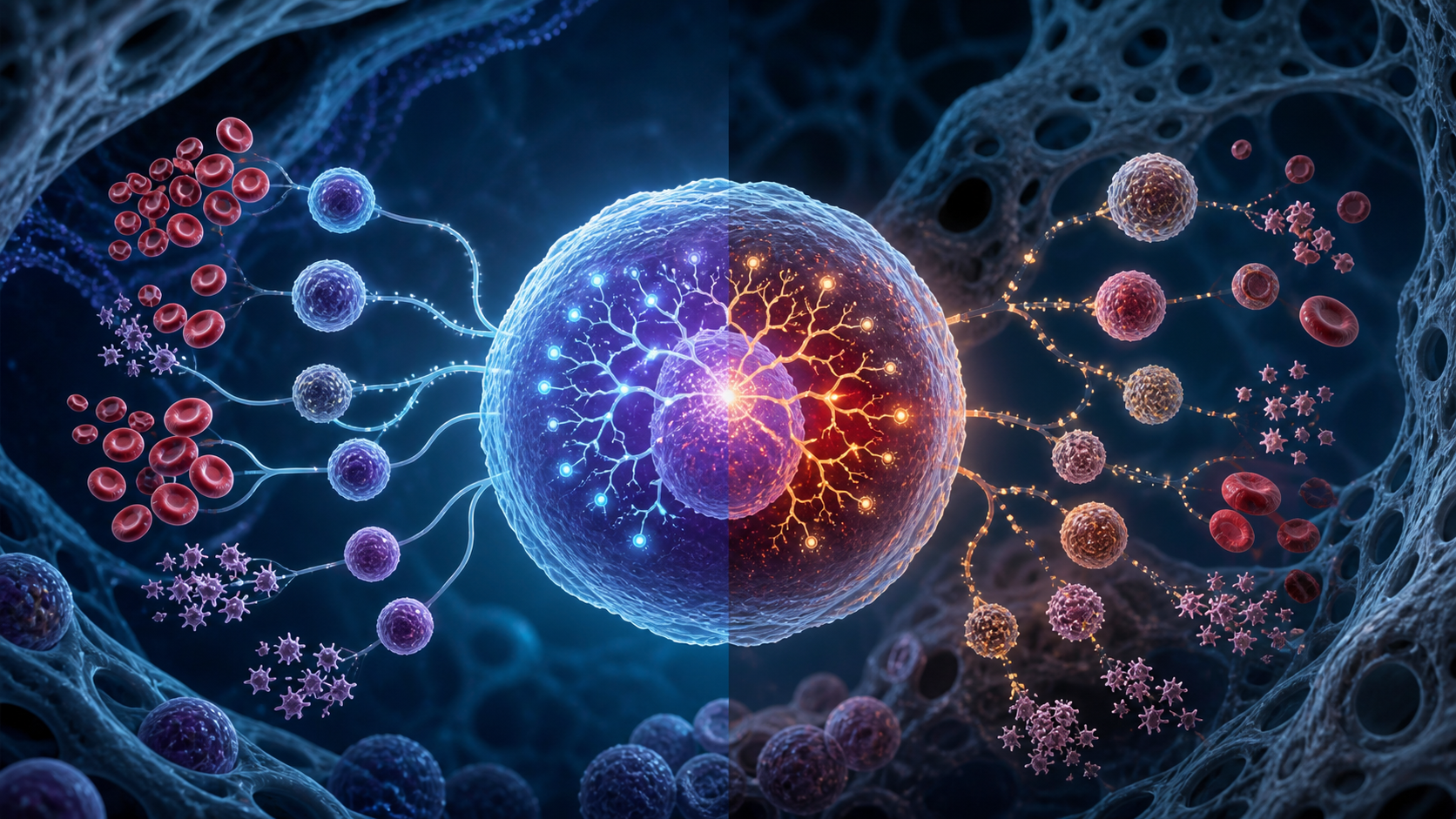
AI Points to PBX1 as a Clue to Why Blood Stem Cells Age
A mouse study used Geneformer and laboratory validation to identify PBX1 as one regulator of age-related changes in blood stem-cell output.
Five-Year Brain Organoids Keep a Molecular Record of Time
Human brain organoids remained viable for five years and tracked time through gene activity and DNA methylation, creating a new model for…
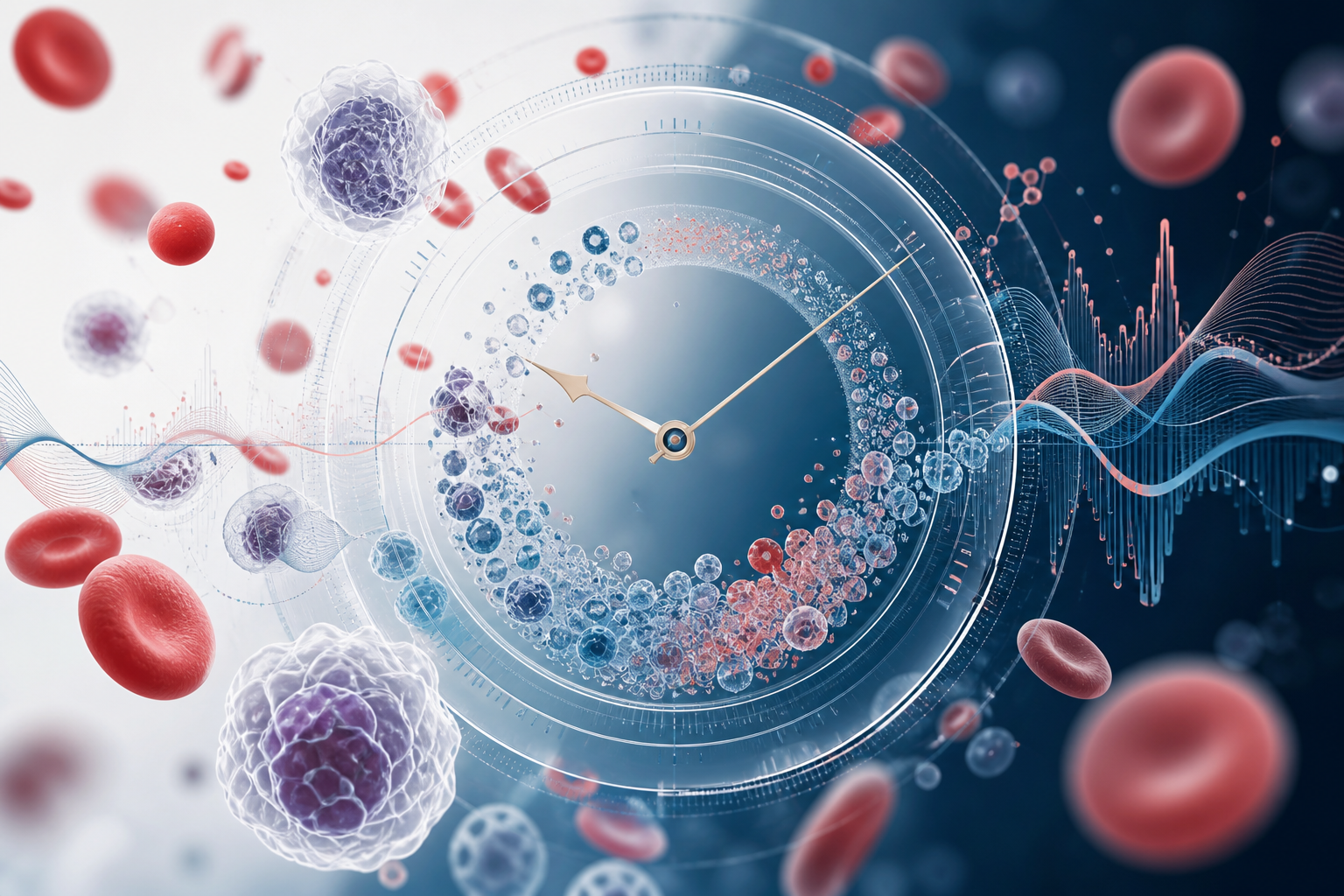
A Biological-Age Clock Built From Routine Health Records
A large longitudinal model suggests ordinary laboratory tests can track changing health risk, but its “age” output should not be mistaken for…