Promising

Lilly Reports Retatrutide Outperformed Ozempic 2 mg in a Phase 3 Diabetes Trial
Lilly reports greater blood-sugar and weight reductions with retatrutide than Ozempic 2 mg. The topline results concern diabetes, not longevity; retatrutide remains…

Senolytics Improved Liver Fibrosis in a Small Randomized Human Trial
A small randomized trial found improved liver fibrosis with dasatinib plus quercetin in people with MASH. The disease signal is encouraging, but…

Exercise Changed Aging Clocks in Cancer Survivors. Did It Actually Slow Aging?
A randomized 12-month exercise program improved sustained attention and changed two blood-based epigenetic aging measures in breast-cancer survivors. The clocks are promising…

Can Creatine Help Preserve Muscle Before Old Age? A New Trial Adds Evidence
A 12-week randomized creatine trial in adults aged 45 to 65 found modest gains in lean tissue and strength. The study is…
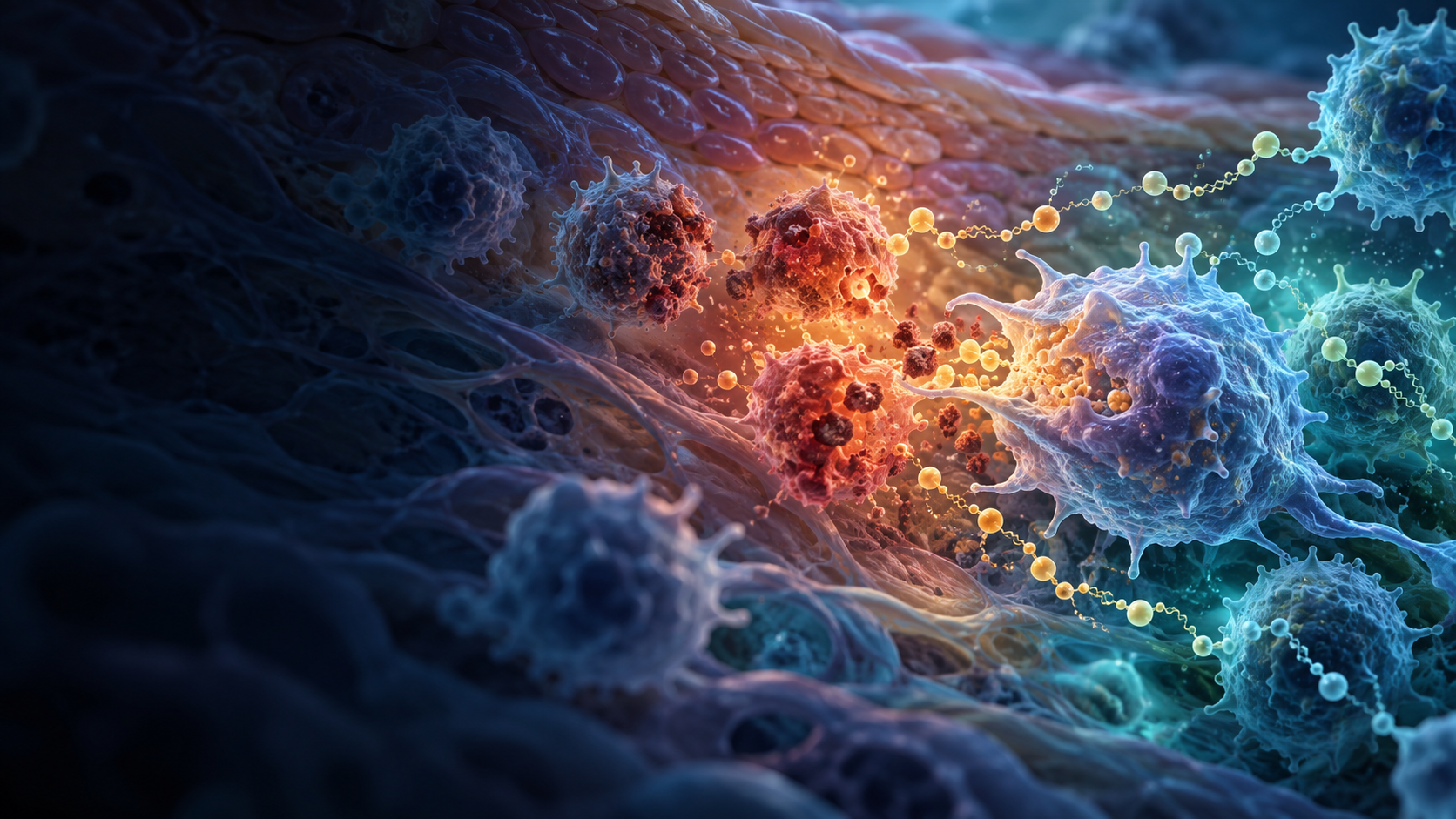
Scientists Found One of the Body’s Natural Brakes on Inflammation
A small human study traced a fat-derived signaling pathway that limited inflammatory immune cells and hastened pain resolution. It did not test…

Cash Payments Changed an Epigenetic Aging Measure in Children. What Does That Mean?
A randomized cash-transfer trial changed one epigenetic aging measure in four-year-old children. The finding is intriguing, but it does not prove that…

Treating Insomnia Changed an Epigenetic Aging Clock. Did People Actually Age More Slowly?
A randomized trial found that cognitive behavioural therapy for insomnia changed one epigenetic measure in older adults. The result is promising, but…

Six Biological Age Clocks Moved Younger After an AI-Designed Drug. Did Aging Actually Slow?
Rentosertib lowered predicted biological age across six protein-based clocks in a small pulmonary fibrosis trial. The result is intriguing, but it does…

Can Stem Cells Treat Frailty? A New Human Trial Tests the Idea
A randomized Phase 2b trial found that one laromestrocel infusion improved walking distance at nine months. It is promising human evidence, not…
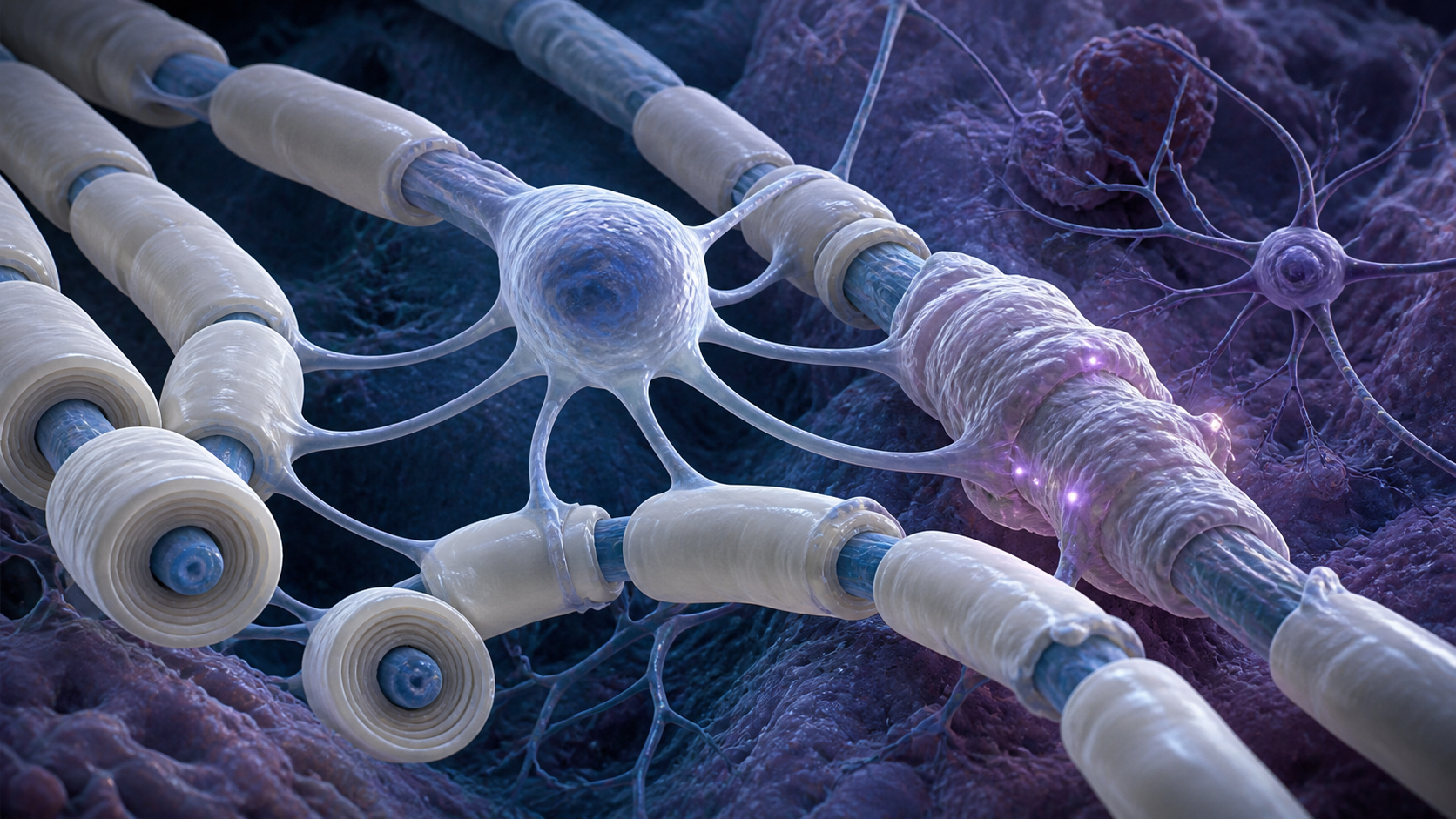
Brain Aging May Not Be Just About Neurons. Myelin-Making Cells Could Be Part of the Problem
Human brain tissue and mouse experiments point to oligodendrocytes, myelin and NRF2 as possible contributors to cognitive decline. No human treatment has…