Research
Evidence-first reporting on aging biology, longevity studies and the path from laboratory findings to useful human evidence.

Why Mayo Clinic Researchers Are Targeting Different Kinds of Senescent Cells
Mayo Clinic research shows how senescent cells differ across tissues, why some keep sending inflammatory signals and what happened when researchers targeted…

A Protein That Helps Keep Aging Cell Nuclei in Shape
Restoring β-catenin improved nuclear shape and helped cultured primate skin cells divide again. The study links two routes of protein loss to…
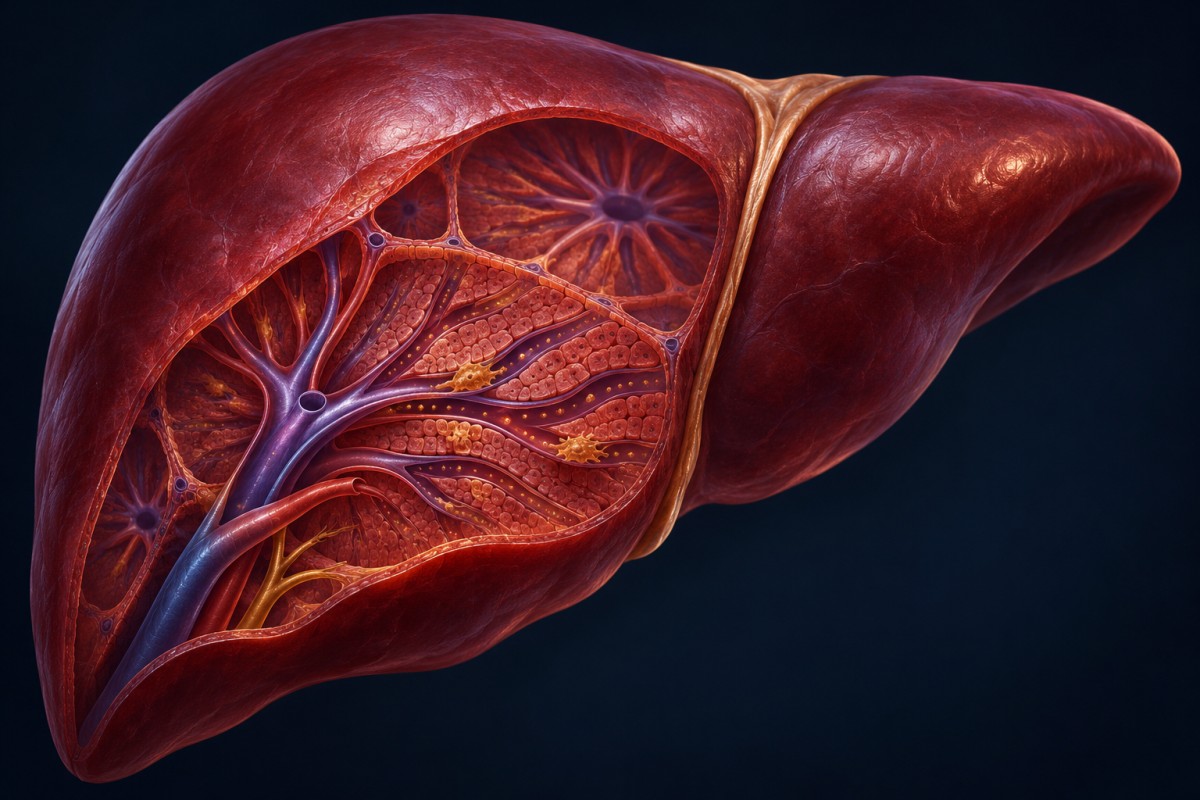
An Experimental Drug Halved Blood Amyloid-Beta in Aged Rats
Cinaciguat restored tiny openings in aged rats’ liver blood vessels and lowered circulating amyloid-beta 40. The study leaves effects on the brain…

What 61,437 Brain Scans Reveal About Aging and Mortality
UK Biobank participants whose brains looked older on MRI had higher rates of death and several diseases. The finding shows what brain…

A Cystic Fibrosis Drug Reduced Lung Scarring in Mice
Ivacaftor reduced collagen buildup in mice with chemically induced lung fibrosis. Whether it can treat pulmonary fibrosis in people remains open.

A DNA Repair Compound Extended Survival in Mice With Progeria
UMK57 improved DNA repair in laboratory cells. Separately, mice with progeria lived longer in a small experiment, with median survival of 17.1…

Experimental Vaccine Targeting Aging Cells Extended Median Lifespan in Mice
An experimental nanovaccine increased median lifespan by about 12% in small groups of female mice. Short-lived controls, uncertain targeting and long-term safety…

Common Cholesterol Drugs Were Linked to Slower Bone Loss After Menopause
Two cohorts totaling 169 postmenopausal women linked statin use to slower spinal bone-density loss. Mouse and cell experiments suggest a mechanism, without…

A Protein in Brain Support Cells May Influence Aging Throughout the Body
Increasing FGF13 in brain support cells improved memory tests and reduced inflammatory and senescence markers in mice. Human benefits remain unproven.
Lilly Reports Retatrutide Outperformed Ozempic 2 mg in a Phase 3 Diabetes Trial
Lilly reports greater blood-sugar and weight reductions with retatrutide than Ozempic 2 mg. The topline results concern diabetes, not longevity; retatrutide remains…