The Lifespan Brief Editorial Desk
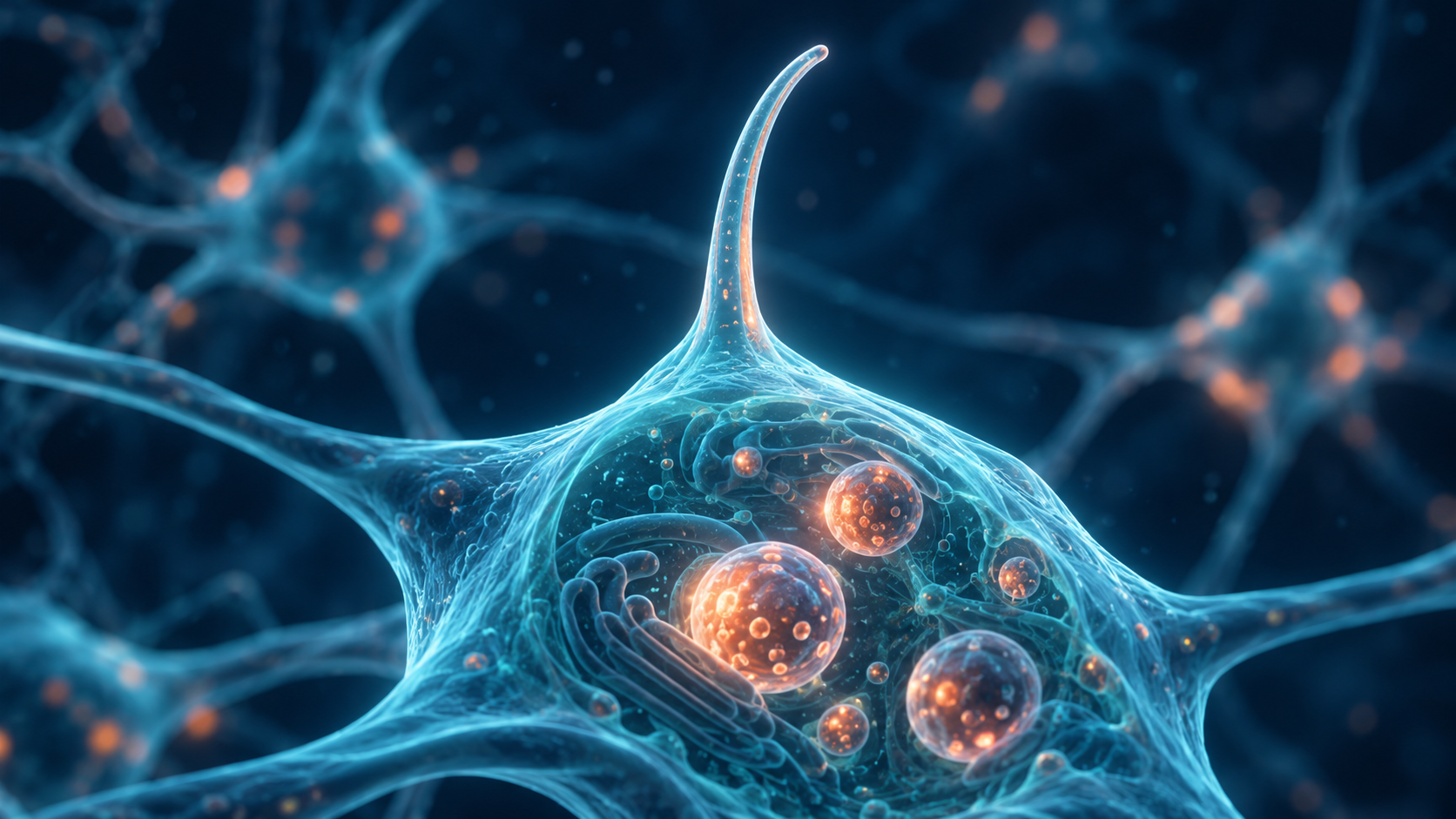
Tiny Structures on Brain Cells May Help Explain Calorie Restriction’s Effects
Cell and mouse experiments link hypothalamic cilia to NAD+ and lysosomal function. Disrupting cilia weakened selected benefits of calorie restriction.
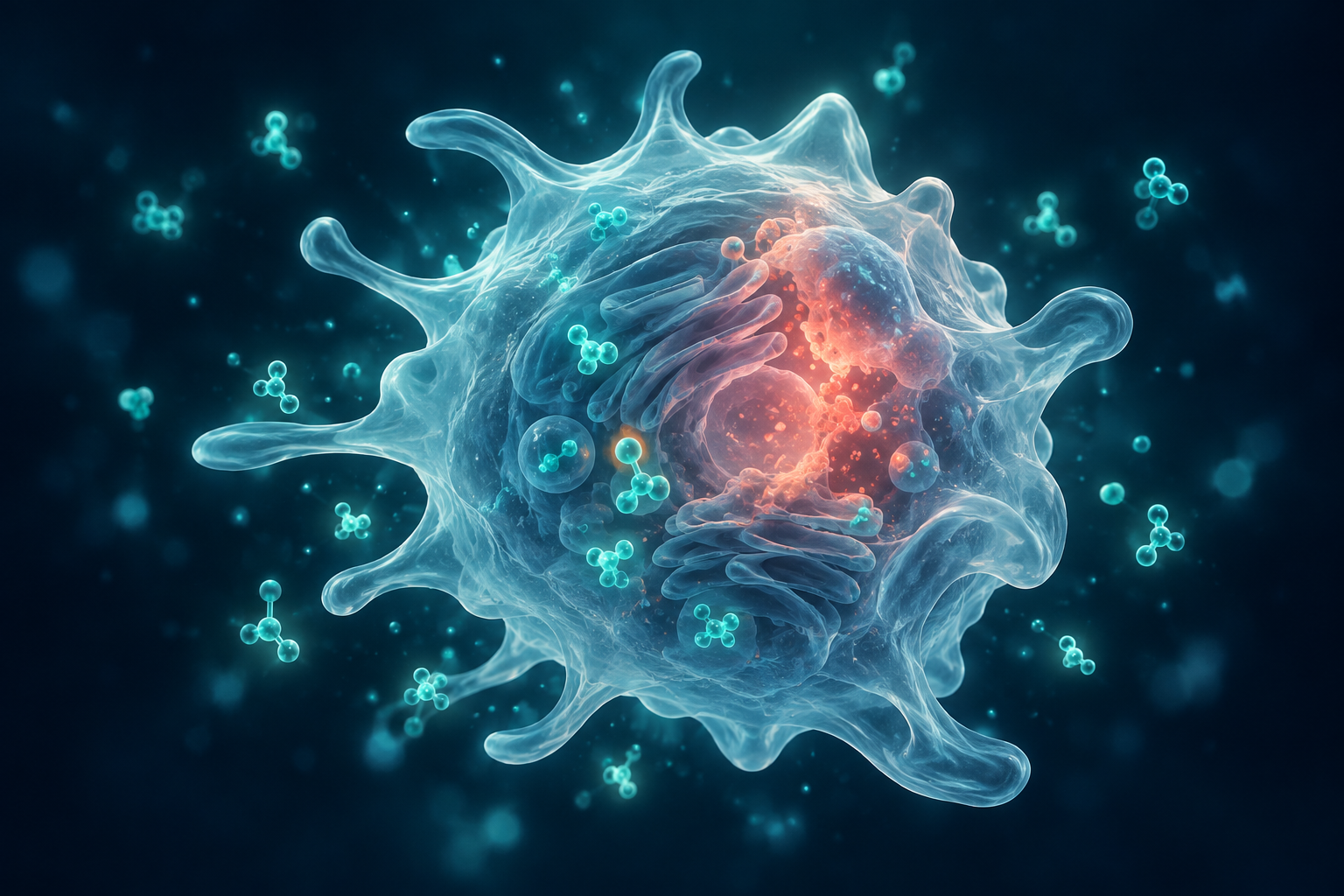
Taurine Helped Keep an Aging-Related Inflammatory Alarm in Check
Taurine helped restrain an inflammatory alarm in immune cells and improved health measures in aged mice. Human anti-aging benefits remain unproven.

Whatever Happened to Metformin as an Anti-Aging Drug?
Metformin’s longevity promise has met mixed human trial results. We trace the mouse experiments, TAME plans, exercise findings and a new frailty…

Why Do We Age If Our Cells Keep Replacing Themselves?
Cell replacement varies across the body. Long-lived cells, inherited DNA changes and aging tissue help explain why ongoing renewal does not prevent…

How Fast You Walk May Offer Clues About Your Longevity
A UK study links clinic walking speed and everyday cadence with mortality. The findings concern health markers, not proof that walking faster…

A New Human Cell Atlas Reveals How Blood Vessels Change With Age
An atlas of 375,829 human endothelial cells maps shared and tissue-specific aging signals, offering a research resource rather than a proven treatment.

Childhood Circumstances May Influence Brain Health Decades Later
A study of 13,357 adults in China links childhood circumstances and cognitive reserve with later-life cognition. Associations do not establish causation.
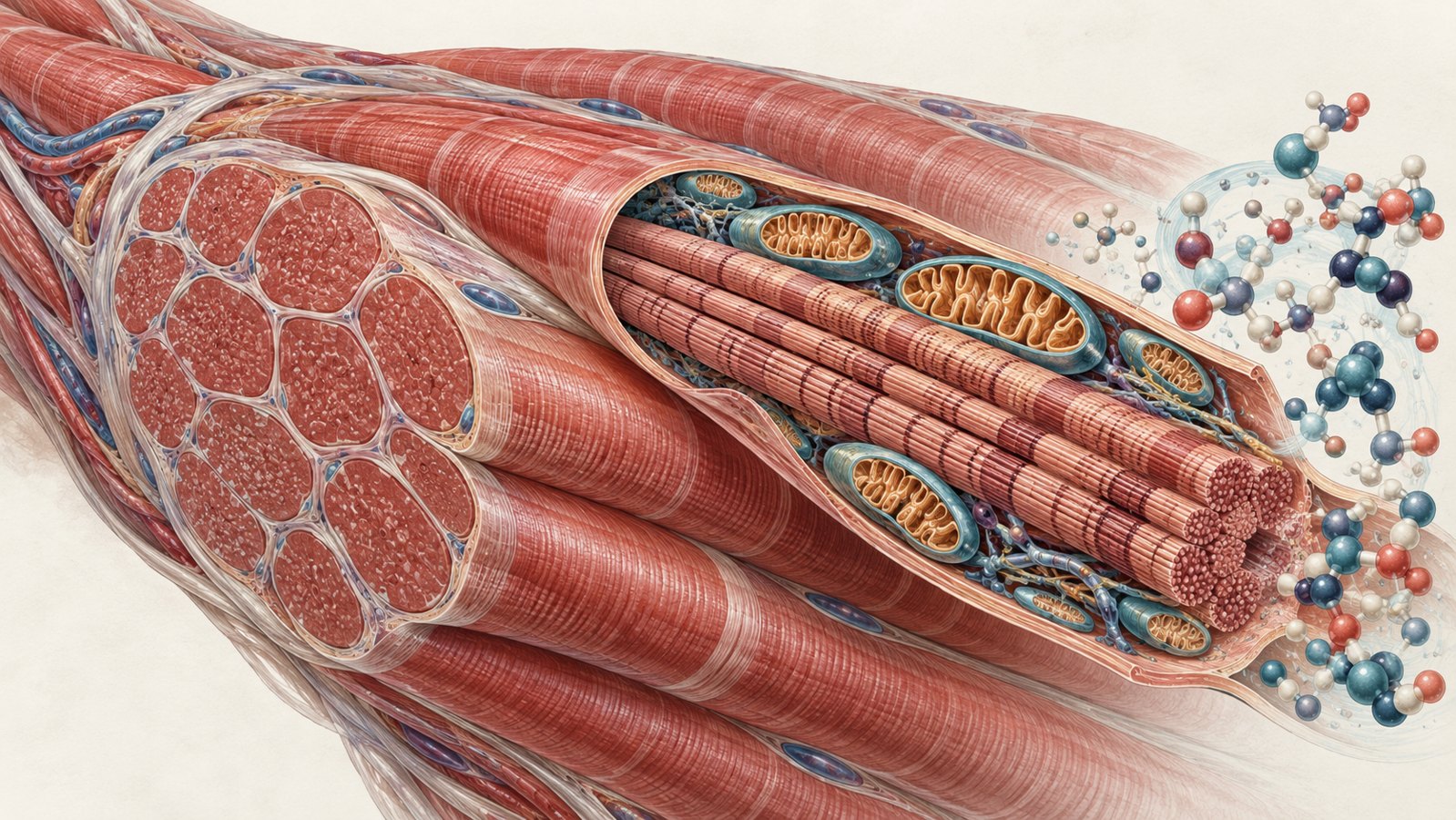
Scientists Identify a Metabolic Target That Could Help Preserve Aging Muscle
GLS1 inhibition improved muscle-cell energy measures and performance in premature-aging mice. Human benefits remain unproven.
Irregular Sleep Timing Was Linked to Higher Mortality in a Study of 7,604 Adults
A study of 7,604 adults linked greater night-to-night sleep variability with higher mortality. The observational findings cannot establish cause and effect.
An RNA-Regulating Protein Helped Preserve Aging Blood-Vessel Cells
MTR4 experiments changed senescence markers in cultured human endothelial cells and vascular measures in mice. Lifespan findings came from worms.