Research
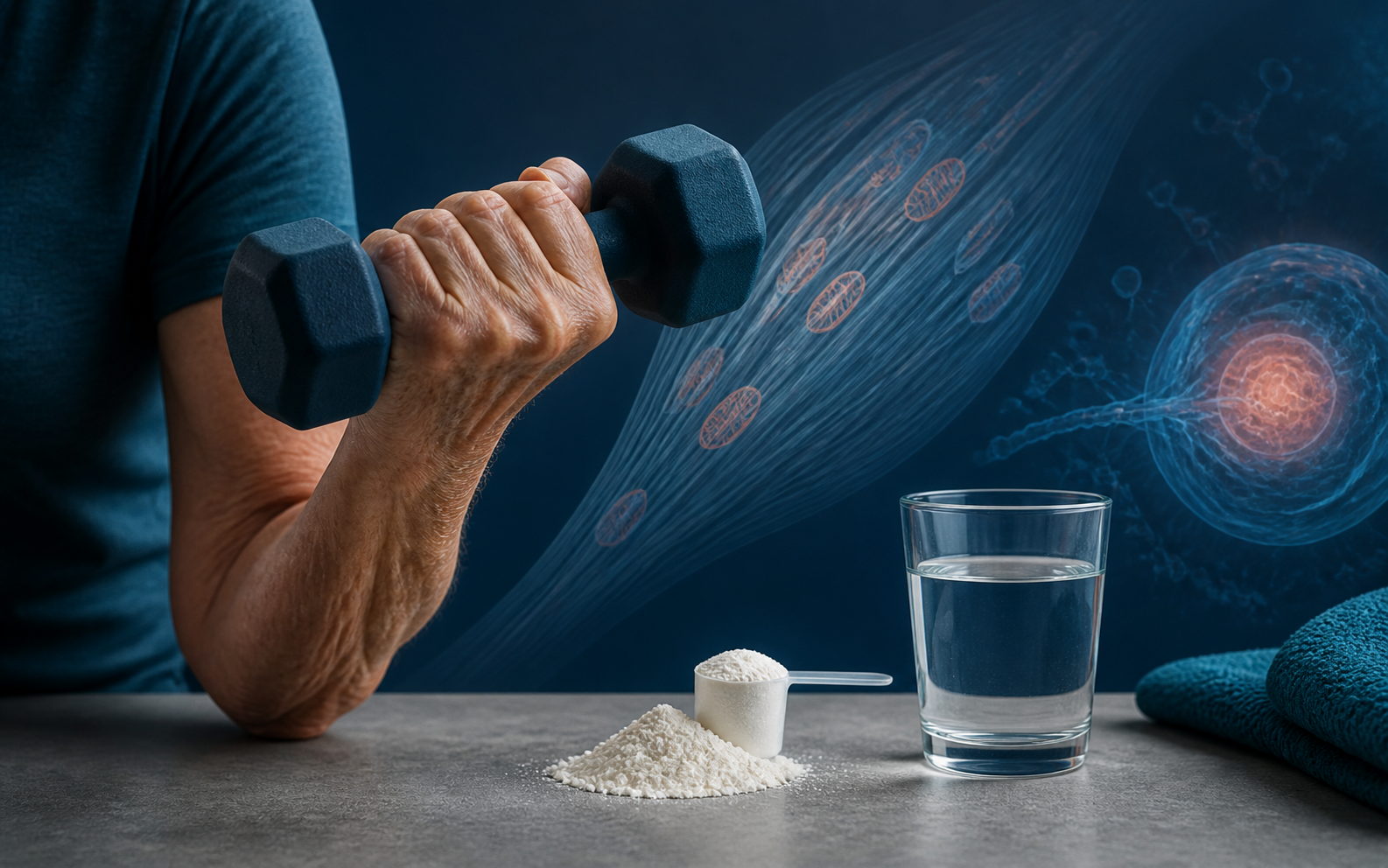
Creatine for Healthy Aging: What the Evidence Actually Shows
Creatine may help older adults gain strength and lean tissue when paired with resistance training. Here is what the human evidence supports—and…
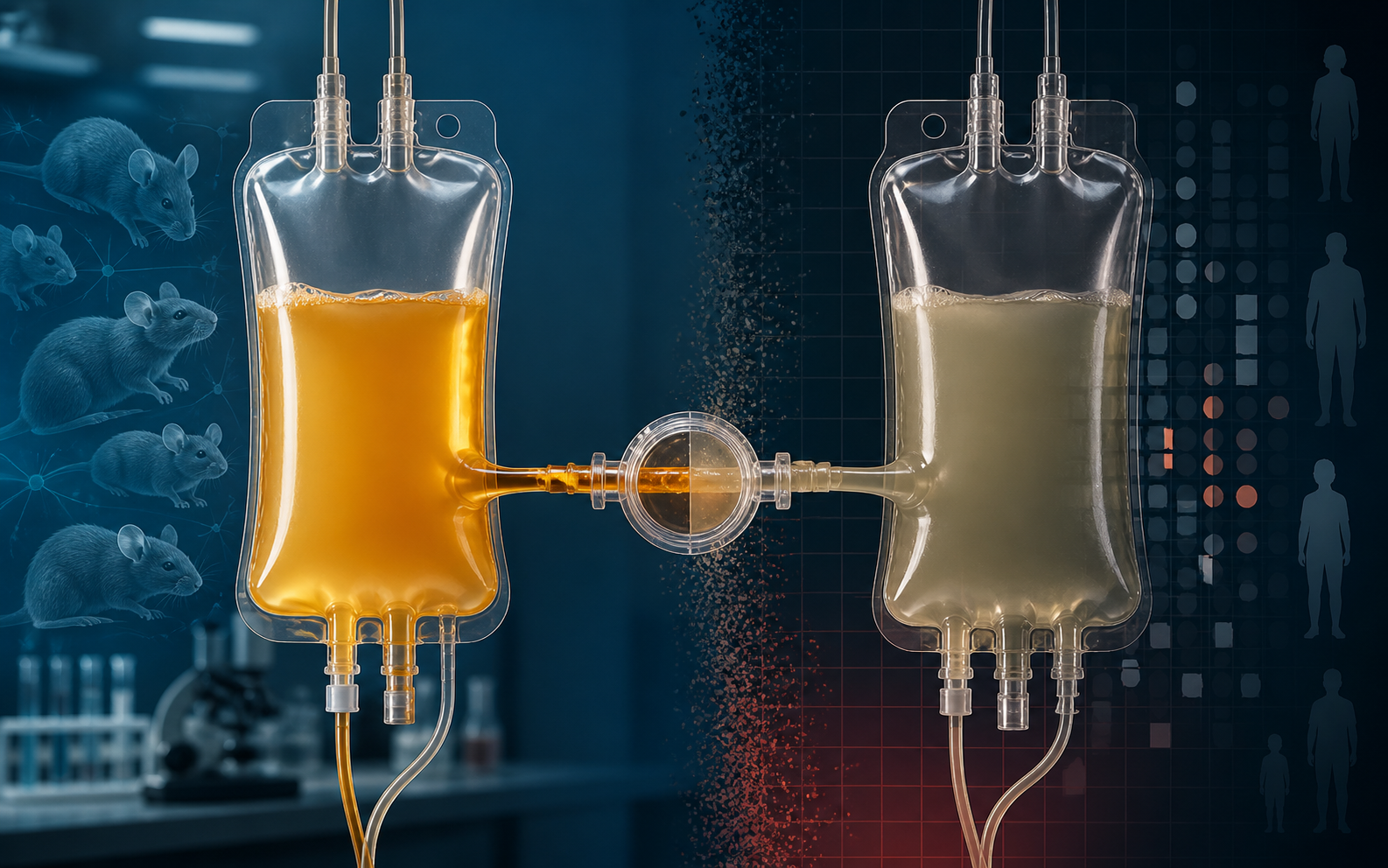
Young Blood Reverses Aging: What the Plasma Experiments Really Show
Mouse experiments made young plasma look rejuvenating. Human evidence remains preliminary, and commercial anti-aging claims still outrun the science.

What Happened to Resveratrol, the Longevity Molecule That Was Everywhere?
Resveratrol moved from celebrated calorie-restriction mimetic to an instructive case study in the gap between animal biology and human longevity evidence.

Can GLP-1 Weight-Loss Drugs Cause Sudden Vision Loss? What the Semaglutide Evidence Shows
Regulators recognize a very rare optic-nerve risk with semaglutide, but claims that all GLP-1 drugs cause blindness overstate conflicting evidence.

Biological Aging Predicts Surgical Risk Across 430,000 Patients
An international study of more than 430,000 surgical patients found that biological age predicted mortality, cardiovascular events, readmission and early complications beyond…
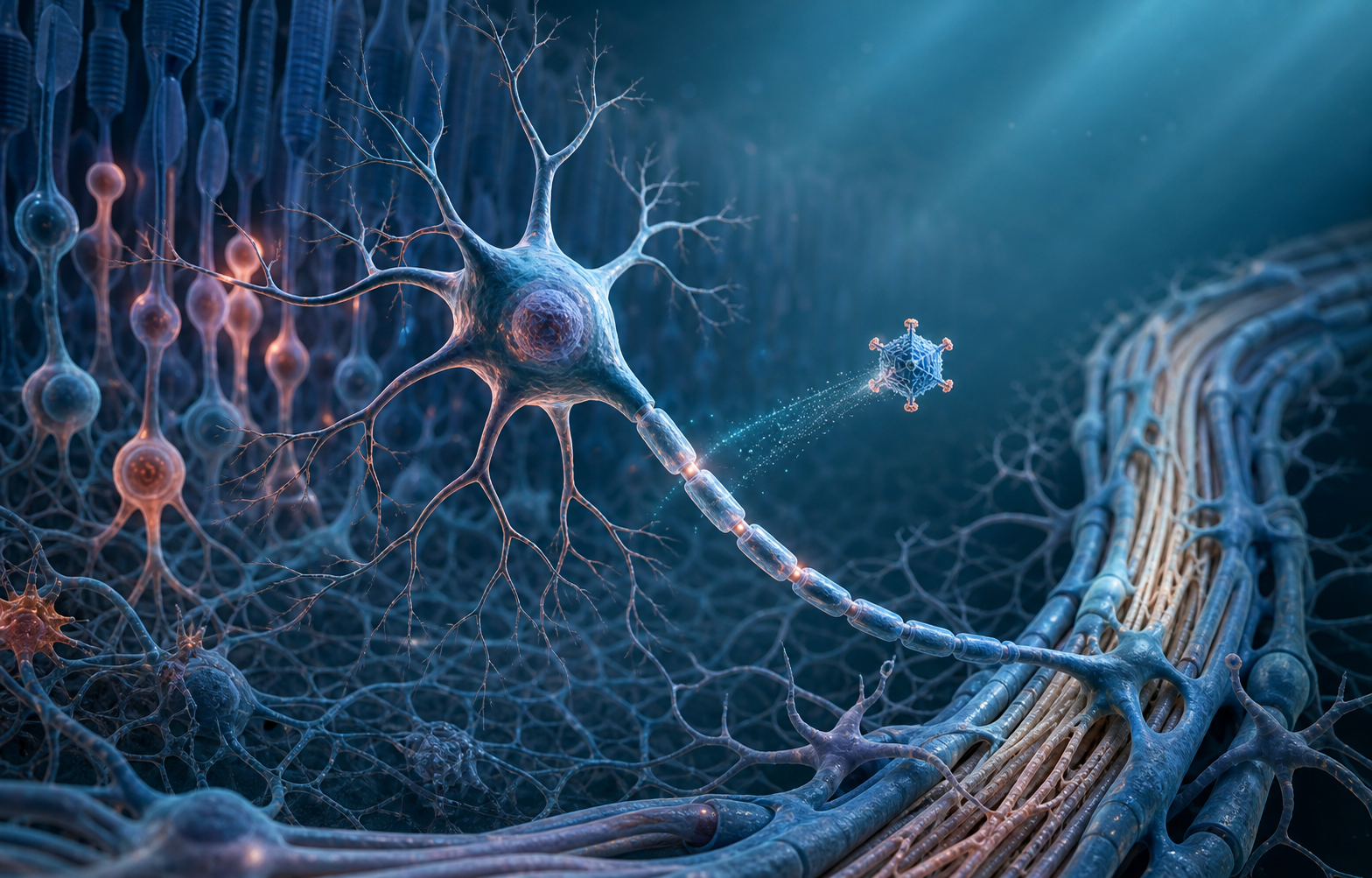
The First Human Cellular-Reprogramming Trial Has Begun. Here’s What It Can Actually Prove
The first person has received an experimental therapy designed to make damaged eye cells behave more youthfully. It is a historic test…

A 40-Month Primate Study Puts “Ferro-Aging” Under the Microscope
Long-term vitamin C treatment reduced molecular signs of iron-driven tissue damage in aged monkeys. The result is intriguing, but it is not…

Longevity and Muscle Weakness Share Some Genetic Architecture
A large genomic analysis links exceptional survival and late-life muscle weakness, but genes are influences, not destiny.
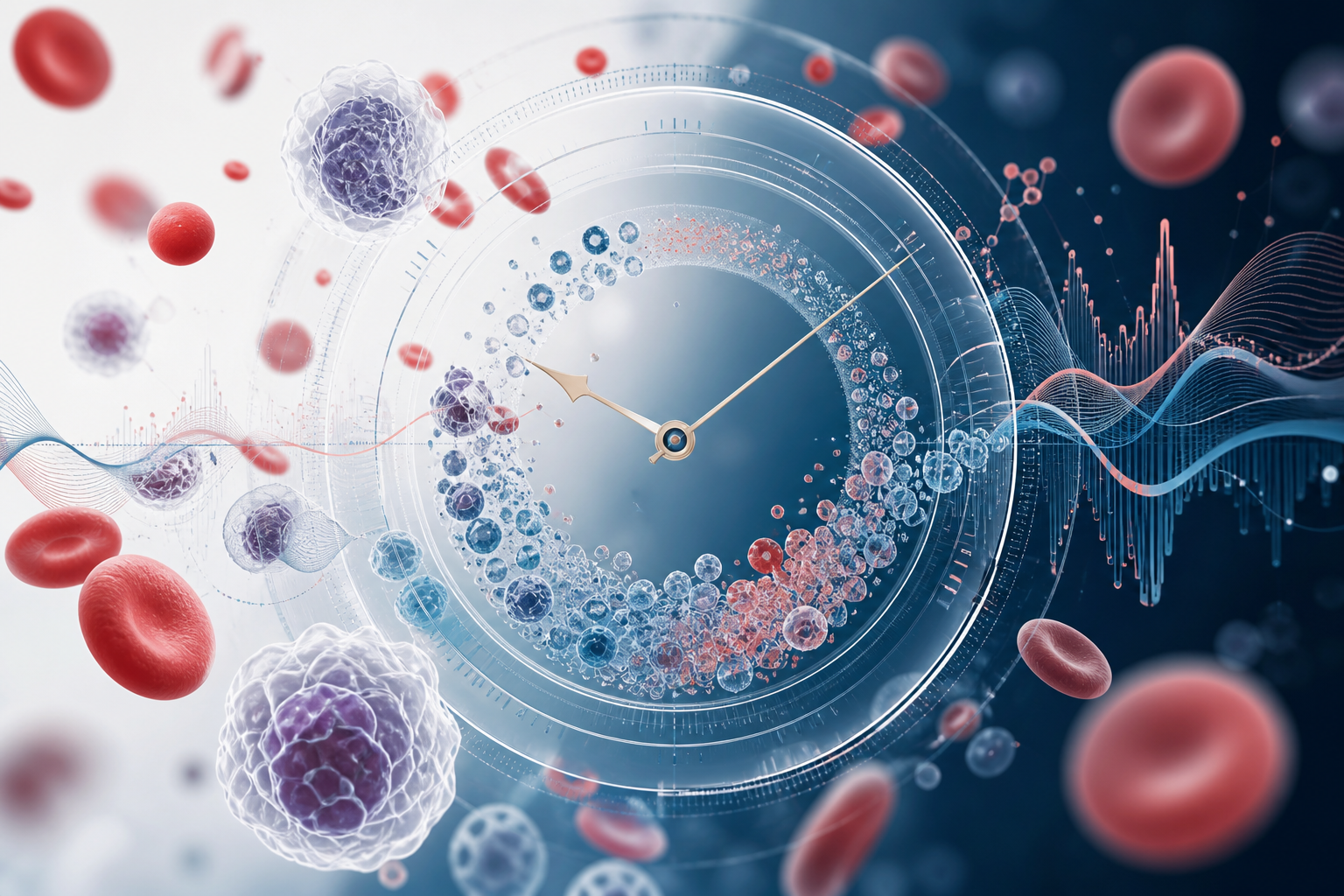
A Biological-Age Clock Built From Routine Health Records
A large longitudinal model suggests ordinary laboratory tests can track changing health risk, but its “age” output should not be mistaken for…

Why Longevity and Healthy Longevity Are Not the Same Genetic Trait
Whole-genome data from exceptionally old adults underline a central lesson: surviving longer and staying healthier can follow partly different biological routes.