Mouse Studies

Targeting BIRC6 Improved Aging Blood Stem Cells and Vaccine Response in Mice
A BIRC6-targeted nanoparticle shifted blood-cell production and strengthened vaccine responses in middle-aged mice. Human stem cells responded ex vivo, but no people…

Could a Mouth Bacterium Influence Aging? What the Human, Worm and Mouse Data Show
Neisseria flavescens was linked to slower aging patterns in human data, then tested in worms and mice. The animal results are intriguing,…

Raman Microscopy and AI Reveal Senescence Signatures in Mouse Tissue
RamanOmics links chemical fingerprints with gene activity to study senescent cells. The mouse study advances measurement, but does not establish a noninvasive…

Scientists Want a Speedometer for Aging. These 12 Signals Could Be the Start
Researchers propose 12 biological signals that might reveal whether aging is currently moving faster or slower. The candidates come mostly from mouse…

Natural Compounds Cleared Senescent Cells and Extended Lifespan in Old Mice
Salvianolic acids A, B and E selectively killed senescent cells and improved function and survival in aged mice, but there is no…

Blocking Growth Hormone Signaling in Middle Age Extended Lifespan in Mice
Genetic disruption of growth hormone receptors at 12 months improved survival in male and female mice. The experiment does not establish a…

FGF21 Gene Therapy Extended Lifespan and Healthspan in Aged Mice
A one-time FGF21 gene therapy increased median lifespan by 20.54% in aged male mice and improved several measures of metabolic, organ and…

A Shorter Form of p53 Lowered an Inflammatory Signal in Aged Mice
A preprint found that transgenic expression of the human p53 isoform Δ133p53α reduced CXCL10 in aged and progeria-model mice. Human spleen data…

Scientists Implanted Self-Contracting Muscle in Old Mice. The Effects Reached the Rest of the Body
Engineered muscle grafts contracted continuously in mice and influenced metabolism, immunity and tissue repair. The findings are promising animal research, not a…
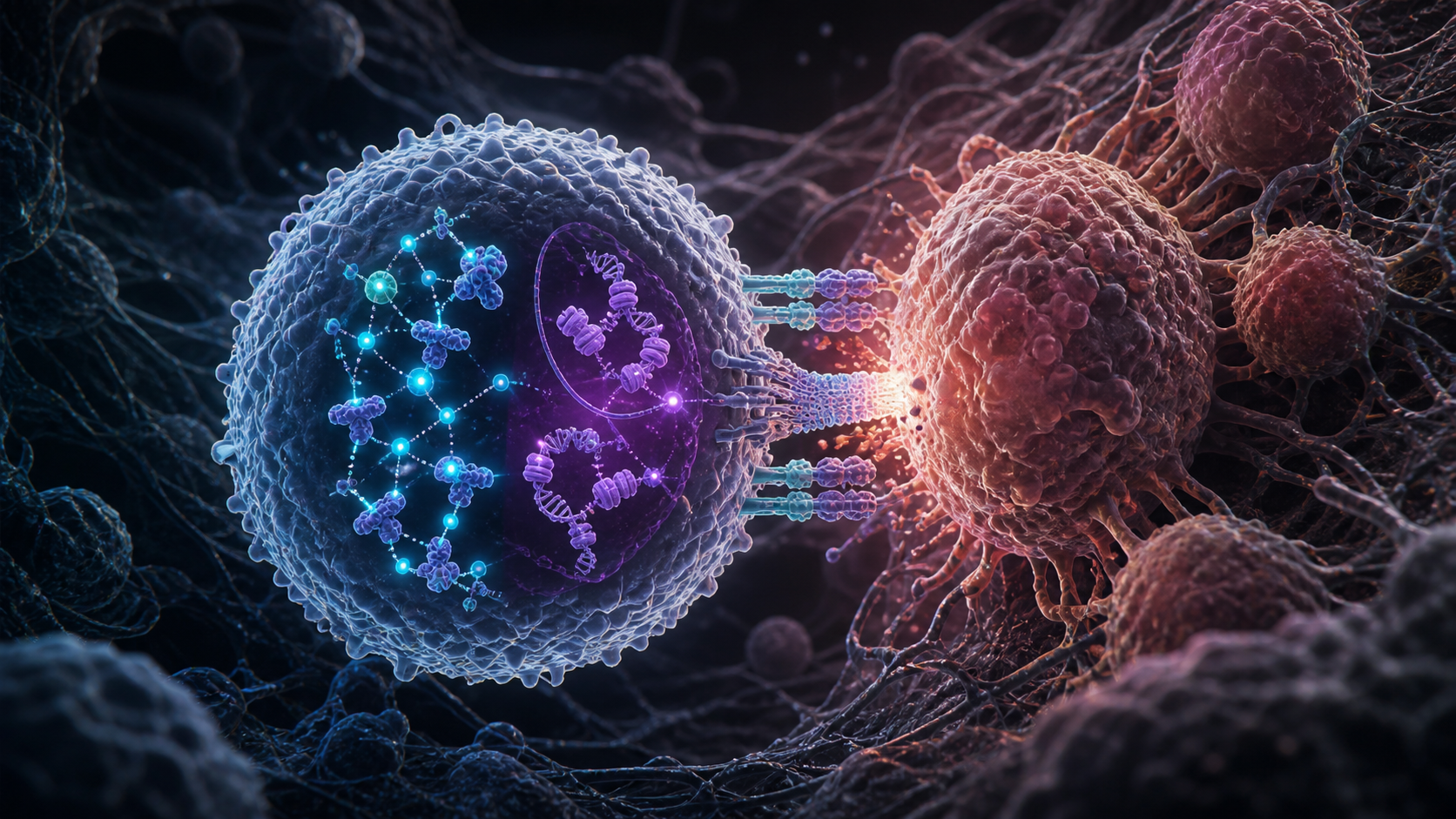
Why Aging T Cells Struggle to Fight Cancer, and Two Genes That May Help Explain It
CRISPR screening identified DUSP5 and ZNF219 as regulators of age-related T-cell dysfunction in mouse tumors. Human evidence remains observational.